
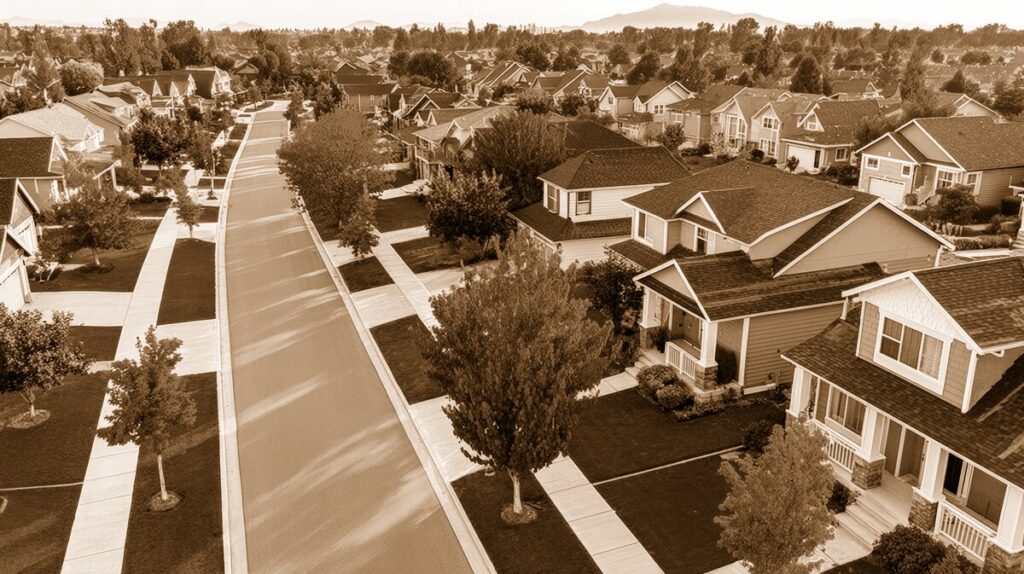
Nestled in the heart of Wheat Ridge, Columbia Heights stands as a testament to the city’s rich tapestry of history and community spirit. From its agricultural beginnings to its enduring neighborhood pride, Columbia Heights is more than just a place on the map—it’s a living story, shaped by generations who have called its tree-lined streets home.
Roots in the Colorado Prairie
The story of Columbia Heights begins in the late 19th century, during a period when Wheat Ridge was little more than a patchwork of farms and orchards. Drawn by the fertile soil and proximity to the bustling city of Denver, settlers flocked to the area to plant orchards, raise livestock, and build a new life on the Colorado plains.
The land that would become Columbia Heights was originally part of several large homesteads. These early landowners, including families whose surnames linger in local lore, gradually divided their holdings as demand for residential plots grew. By the early 20th century, streets like Pierce and Teller began to appear in local records, marking the formation of a new community.
How Columbia Heights Got Its Name
While the exact origin of the neighborhood’s name is a bit of a local mystery, it seems likely that the “Columbia” in Columbia Heights was inspired by a surge of patriotic naming at the turn of the 20th century, when many neighborhoods and towns across America borrowed from symbols of national unity—and Columbia was a popular poetic name for the United States itself.
“Heights” was added to denote the slightly raised topography of the neighborhood, which provided excellent views of both the mountains to the west and the growing Denver skyline to the east. The name stuck, and Columbia Heights quickly became a well-known reference point within the Wheat Ridge community.
Key Historical Milestones
Over the decades, Columbia Heights has witnessed numerous transformative events:
- Establishment of Columbia Heights School (1910s): One of the earliest major developments was the founding of the Columbia Heights School at the corner of 32nd Avenue and Pierce Street. Though the original building no longer stands, its legacy lives on in the educational pride of the area.
- Annexation Into Wheat Ridge (mid-20th century): Though once simply an extension of rural Jefferson County, Columbia Heights was one of the neighborhoods formally annexed into the city of Wheat Ridge as it incorporated in the late 1960s. This ushered in a period of infrastructure growth, with paved roads and expanded city services.
- The Post-War Housing Boom: Like much of suburban Colorado, Columbia Heights saw a surge in residential development following World War II. Brick bungalows and ranch-style homes began popping up along 33rd and 34th Avenues, many of which still stand today, lovingly cared for by generations of families.
Notable Landmarks and Centers of Community
What gives Columbia Heights its unique character is a blend of heritage architecture, community spaces, and hidden gems beloved by locals:
- Columbia Heights Park: Sitting quietly near the crossroads of Pierce Street and West 33rd Avenue, this leafy park offers a peaceful retreat, with shade trees, benches, and a playground where children’s laughter drifts on warm breezes. The park regularly hosts neighborhood picnics and little league games, fostering a deep sense of belonging among residents.
- Historic Residences: While Columbia Heights may not have the grandest mansions in Wheat Ridge, its early-20th-century cottages, mid-century modern homes, and classic brick ranches anchor the neighborhood’s architectural heritage. Walk down Kendall or Lamar and you’ll see carefully maintained homes with the kind of front porches perfect for swapping stories as the sun sets over the Rockies.
- Community Churches: The neighborhood’s diversity is reflected in its places of worship, with longstanding churches along 32nd Avenue serving as community anchors. Sunday mornings bring the comforting ring of bells, calling neighbors together just as they have for decades.
- Local Businesses: The independent shops and cafes along West 38th Avenue—just a short stroll to the south—offer Columbia Heights residents authentic flavors and personal service. These gathering spots, from family-run bakeries to eclectic boutiques, give the area its inviting local vibe.
Evolving Through the Decades
Though rooted in tradition, Columbia Heights has always adapted to the changing times. In the 1970s and ‘80s, the neighborhood saw an influx of young families and professionals attracted by affordable homes and quick access to both downtown Denver and the mountains. The 21st century brought renewed investment in infrastructure, with improved sidewalks, updated utility lines, and beautification projects along key corridors like Pierce Street and West 32nd Avenue.
Gentrification pressures present in other parts of metro Denver have been gentler here, thanks in part to the strong sense of community stewardship. Residents routinely organize neighborhood cleanups, host block parties, and maintain the open, welcoming atmosphere that’s long been a Columbia Heights hallmark.
A Place Where Heritage Meets Heart
What truly makes Columbia Heights special isn’t just its place in Wheat Ridge history, but its ongoing story. Neighbors greet each other by name on evening dog walks or at local farmers’ markets. Grandchildren play on the same lawns where their grandparents once harvested apples. Annual traditions—like the neighborhood summer potluck or the holiday luminaria—bring everyone together in celebration of the ties that bind.
Columbia Heights is a neighborhood where past and present walk hand in hand, shaping a future as bright and warm as a Colorado summer day.
Whether you’ve lived here for generations or just moved in, it’s easy to see why Columbia Heights stands apart. It’s more than a neighborhood—it’s home, steeped in pride and woven through with memories. In a rapidly changing world, Columbia Heights cherishes its roots while always growing toward a vibrant tomorrow.